

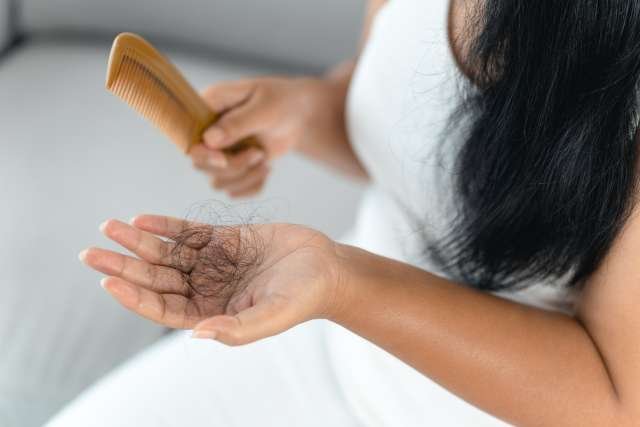
🧠 1. Understand the Causes
Hair fall can be triggered by:
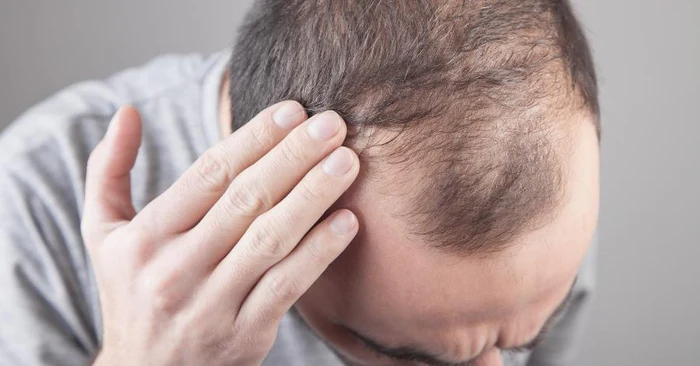
- Nutritional deficiencies (iron, protein, vitamins)
- Stress and poor sleep
- Hormonal imbalances (e.g., Polycystic Ovary Syndrome, thyroid issues)
- Medical conditions like Alopecia areata
- Harsh hair treatments and pollution
🥗 2. Improve Your Diet
Healthy hair starts from within.
Include:
- Protein-rich foods (eggs, lentils, paneer)
- Iron sources (spinach, beetroot, dates)
- Omega-3 fatty acids (walnuts, flaxseeds)
- Vitamins (especially biotin, Vitamin D, B12)
Tip: Staying hydrated is just as important—aim for 7–8 glasses of water daily.
🧴 3. Follow a Gentle Hair Care Routine
- Use a mild, sulfate-free shampoo 2–3 times a week
- Avoid hot water; use lukewarm or cool water
- Condition regularly to prevent breakage
- Limit heat styling (straighteners, curling irons)
💆♀️ 4. Oil Your Hair Regularly
Massage improves blood circulation and nourishes roots.
Best oils:
- Coconut oil
- Almond oil
- Castor oil (great for thickness)
Massage gently 1–2 times per week.
🌿 5. Try Natural Remedies
- Onion juice (rich in sulfur, may boost growth)
- Aloe vera (soothes scalp)
- Fenugreek (methi) masks (strengthens roots)
Consistency matters more than quick results.
🧘 6. Manage Stress
Stress is a major cause of hair fall.
Try:
- Meditation
- Yoga (especially Pranayama breathing)
- Regular exercise and good sleep
💊 7. Consider Medical Treatment (If Needed)
If hair fall is severe or sudden:
- Check for anemia or thyroid issues
- Dermatologists may recommend treatments like Minoxidil
🚫 8. Avoid Common Mistakes
- Tight hairstyles (ponytails, braids)
- Overwashing or underwashing
- Chemical treatments (rebonding, coloring)
- Rough towel drying
⏳ 9. Be Patient & Consistent
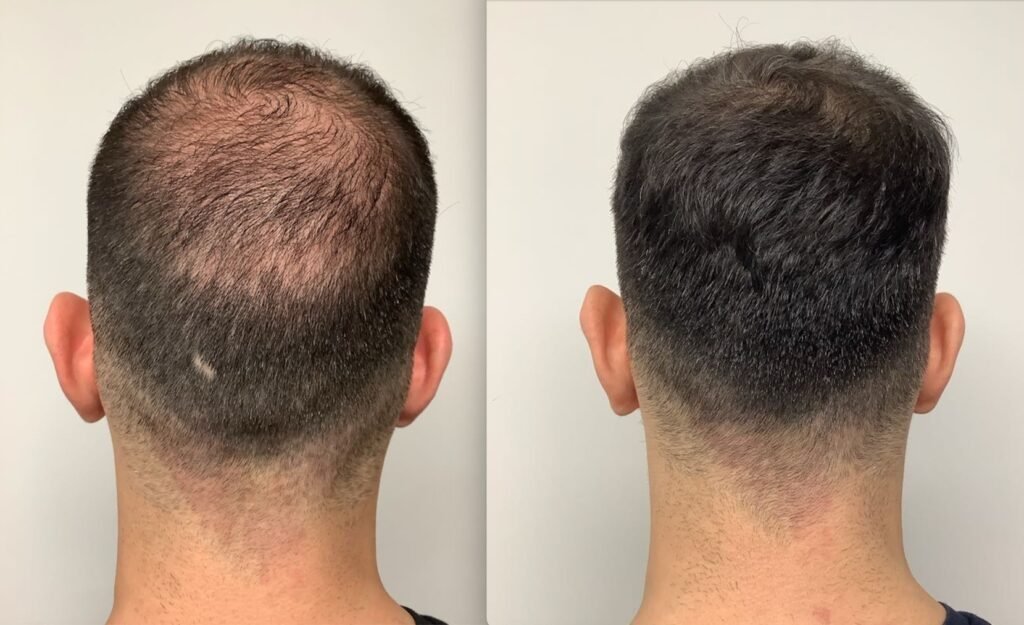
Hair growth takes time. You may start noticing improvement after 2–3 months of consistent care.
Honestly, Taya789 has become my go-to. Quick payouts and a good selection of games. Nothing fancy, but it gets the job done! taya789